


GROUNDWATER FILTRATION
(Click on thumbnail to enlarge)
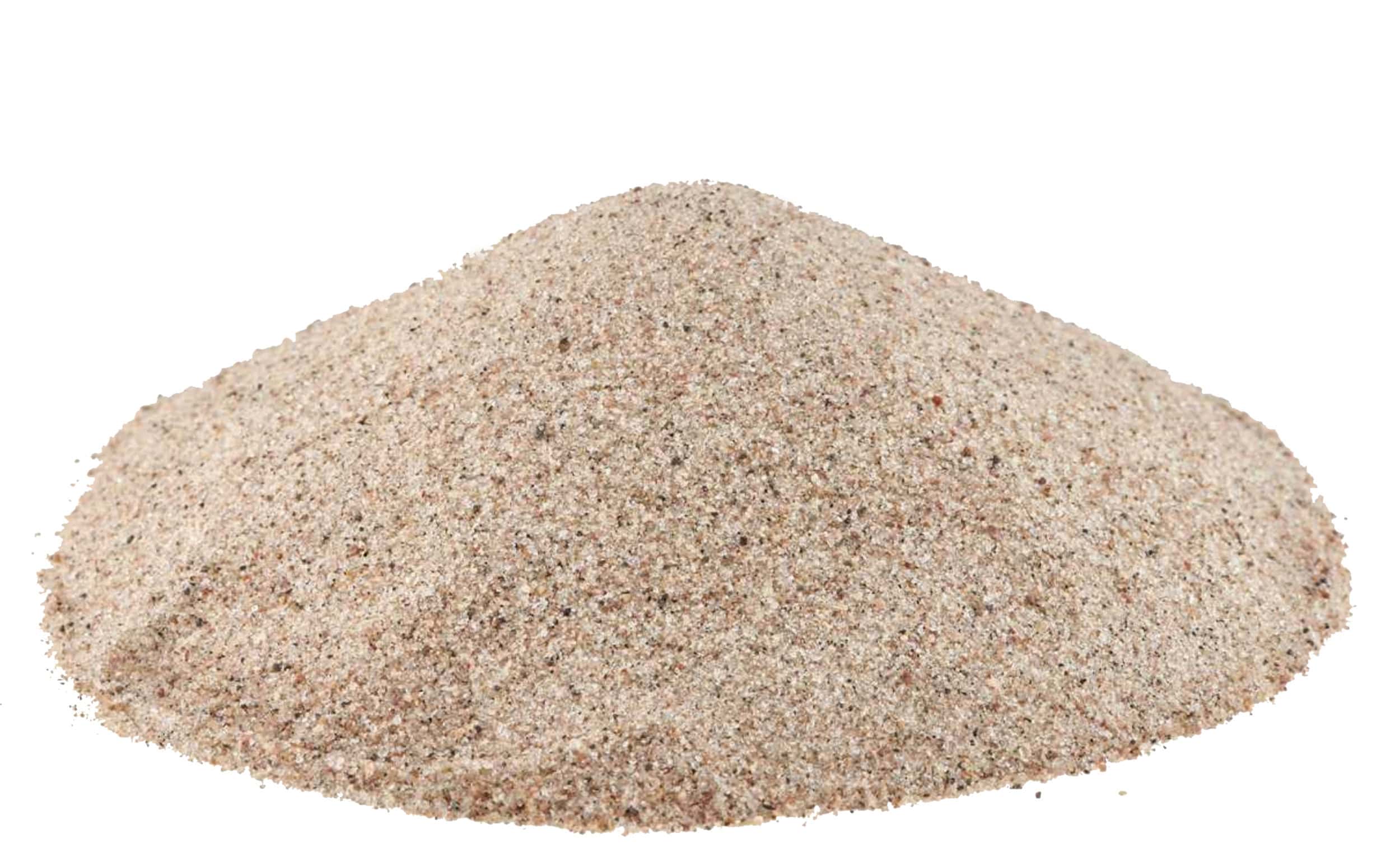
Sand is a crucial component in groundwater filtration systems, where it acts as a natural and effective mechanical and biological filter. Here’s how sand is used:
Key Benefits of Lapis Gold Silica Sand:
- Process – As groundwater flows through a sand bed, suspended solids (like silt, clay, organic matter, and debris) are physically trapped between sand grains. Over time, a biological layer forms on the top layer of the sand bed.
- Effectiveness – Fine sand is particularly effective at capturing smaller particles, helping to clarify water.
- Function – This layer contains microorganisms that consume pathogens and organic contaminants, further purifying the water.
- Inert & Non-toxic – Does not react with water.
- Readily Available – Cost-effective and abundant.
- Sand Trap & Sediment Filters
- Biological Filtration (in slow sand filters)
- Continuous Filters
- Slow, Rapid & Multimedia Filter Systems